
You’re standing in the lumber aisle, staring at two beautiful wood options. Both look great. Both seem durable. But which one should you actually buy?
This is the dilemma every woodworker and DIY enthusiast faces when choosing between cypress and cedar. These two popular softwoods share a lot in common—they’re both naturally resistant to rot, insects, and harsh weather. Yet they’re far from identical.
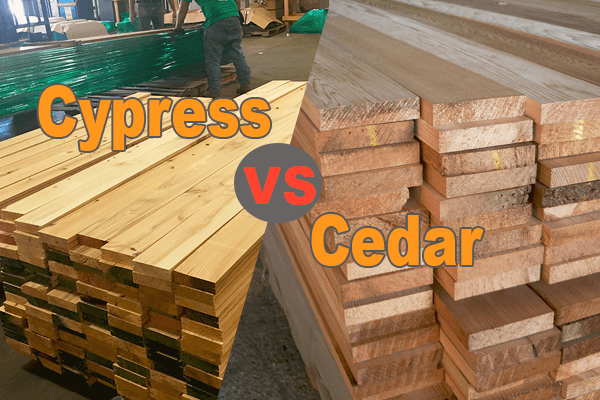
Cypress tends to be the budget-friendly workhorse, thriving in outdoor projects. Cedar brings that signature scent and smoother workability that many craftspeople love. The right choice depends on your project, your location, and your wallet.
In short: Choose cypress for budget-friendly outdoor projects. Choose cedar for indoor furniture, workability, and that classic aromatic scent.
Related Articles
Types of Mahogany Wood
Types of Tropical Wood
Differences Between the Cypress and Cedar wood
| Feature | Cypress | Cedar |
|---|---|---|
| Best For | Outdoor construction, decks, fences, boats | Indoor furniture, closets, musical instruments, flooring |
| Cost | More affordable in most regions | More expensive overall |
| Workability | Harder to work with due to knots and irregular grain | Easier to cut and shape with fewer knots |
| Durability | Highly durable, especially old-growth cypress | Naturally rot-resistant and weather-resistant |
| Moisture Resistance | Excellent — thrives in wet environments | Good — resists warping from moisture |
| Density | 450–550 kg/m³ | 490–580 kg/m³ |
| Scent | Mild woody fragrance | Strong aromatic scent |
| Maintenance | Needs staining for best appearance | Does not require staining |
| Drying Time | Dries faster but may tear if rushed | Takes longer to dry with less risk of damage |
Cypress Wood
Cypress is popular in the Eastern Mediterranean region. It grows naturally in swampy areas like the Atlantic Coast. Because it thrives in wet conditions, cypress handles moisture exceptionally well.
This wood also grows in hot, dry climates where it serves as ornamental trees.
Hardwood or Softwood?
Technically, cypress is a softwood. However, many classify it as hardwood because of how it grows and gets manufactured alongside other hardwoods. It also drops its needles similarly to how hardwood trees shed leaves.
Cypress is moderately strong, hard, and heavy compared to other softwoods.
Appearance and Color
Cypress has a yellowish-brown color with bold patterns. The heartwood is dark brown with a rough outline. The sapwood appears whitish with a yellowish-brown core, usually around 10cm wide.
The grain is coarse with irregularities caused by numerous knots.
Scent
Cypress oil has a mild woody fragrance. It lacks the powerful scent cedar produces, but some natural colognes still use cypress oil for its subtle aroma.
Common Cypress Species
- Moroccan Cypress (Cupressus Atlantica): Found in the high Atlas mountains of western Morocco.
- Monterey Cypress (Macrocarpa): Native to California, also grown in New Zealand.
- Arizona Cypress (Cupressus arizonica): A North American species found in Mexico and the Southwestern USA.
- Mexican Cypress (Cupressus lusitanica): Native to Mexico and Central America.
- Mediterranean Cypress (Cupressus sempervirens): Found in southern Albania, Eastern Mediterranean, and coastal Bulgaria.
Pros of Cypress Wood
- Highly durable and long-lasting
- More affordable than cedar
- Grows fast, making it widely available
- Attractive natural color and grain patterns
- Excellent moisture resistance
Cons of Cypress Wood
- Can be toxic during cutting — proper ventilation needed
- Old-growth cypress is rare and expensive
- Requires staining for optimal appearance
- Difficult to work with due to knots and irregular grain
Cedar wood
Cedar is one of the most popular woods in the Western world. Builders and craftspeople use it for both indoor and outdoor construction. Its aromatic scent and versatility make it a favorite across many applications.
Hardwood or Softwood?
Cedar is a softwood. It belongs to a plant group called “gymnosperms.” Despite being soft, cedar is surprisingly durable and resistant to harsh weather conditions.
It cuts easily without sacrificing strength.
Appearance and Color
Cedar displays a range of beautiful colors. The sapwood shifts from pink to yellow. The heartwood varies from yellow to reddish-brown.
You can identify genuine cedar by examining the color contrast between early and late wood. Look for closely spaced grain lines.
Scent
Cedar’s aromatic scent is one of its most impressive features. The wood produces a pleasant oil used in deodorants, colognes, and skincare products.
This natural fragrance also repels insects, making cedar ideal for closets and storage chests.
Size and Lifespan
Cedar trees vary in height depending on species, ranging from 20 to 50 meters. Some cedar trees live remarkably long — certain specimens have passed 2,000 years.
Common Cedar Species
- Lebanon Cedar (Cedrus libani): Found in the mountains of the Eastern Mediterranean basin.
- Western Red Cedar (Thuja plicata): Native to Western North America. Note: This is not a true cedar species despite its name.
- Atlas Cedar (Cedrus Atlantica): Native to the Atlas mountains of Morocco and the Tell Atlas in Algeria.
Pros of Cedar Wood
- Natural rot and weather resistance
- Repels insects without chemical treatment
- Does not require staining
- Resists warping from moisture
- Beautiful appearance and aromatic scent
- Easy to cut and work with
Cons of Cedar Wood
- More expensive than cypress
- Difficult to dye or stain different colors
- Fades to weathered grey over time without maintenance
- Some species lack the rot resistance of others
Cypress vs. Cedar Wood
Durability
Durability matters most when choosing wood for furniture or construction. You want something that lasts without constant repairs.
Cypress Durability
Cypress wood is tough and rated as very durable — particularly the heartwood. The sapwood, however, offers less durability.
One advantage: cypress rarely cracks. It lacks the layered structure that causes splitting in other woods. Dried cypress has a density of approximately 470 kg/m³.
Old-growth cypress outperforms cedar in durability. Unfortunately, old-growth trees are rare today and command premium prices.
Cypress also resists insect attacks, fungal growth, and harsh weather. These properties make it excellent for outdoor construction.
Cedar Durability
Cedar is lighter and softer than cypress. Its famous weather and rot resistance applies primarily to certain species — not all cedar performs equally.
One caution: split cedar wood becomes vulnerable to insect infestation. Intact cedar has a density of 550–580 kg/m³.
The good news? Cedar handles moisture well and resists warping. Original cedar actually increases in hardness when exposed to water over time.
Combined with its attractive appearance and antiseptic properties, cedar remains a solid choice for outdoor projects.
Old-growth cypress wins on pure durability — but it’s expensive and hard to find. Standard cypress and quality cedar perform similarly for most projects. Your choice depends more on budget and specific application than raw durability alone.
Maintenance Requirements
How much upkeep does each wood need? Here’s what to expect.
Cypress Maintenance
Cypress requires more attention to look its best.
- Staining: Apply a quality stain or sealant to enhance color and protect against UV damage.
- Cleaning: The waxy texture makes cleaning slightly difficult. Use a soft brush and mild soap.
- Reapplication: Plan to restain every 2–3 years for outdoor projects.
- Inspection: Check periodically for any signs of wear, especially in high-moisture areas.
Cedar Maintenance
Cedar demands less maintenance overall.
- Staining: Optional. Cedar looks beautiful naturally and does not require staining.
- Cleaning: Smooth texture makes cleaning easy. Simple soap and water work fine.
- Fading: Expect the color to fade to silver-grey over time if left untreated. Some homeowners prefer this weathered look.
- Sealing: Apply a clear sealant every few years if you want to preserve the original color.
Best Uses: Cypress vs Cedar Wood
Still unsure which wood fits your project? Use this quick guide.
Choose Cypress For:
- Outdoor decks and patios
- Fences and gates
- Boat building and docks
- Exterior siding and trim
- Garden beds and planters
- Budget-friendly outdoor furniture
Choose Cedar For:
- Indoor furniture and cabinetry
- Closets and storage chests (the scent repels moths)
- Hardwood flooring
- Saunas and hot tub surrounds
- Musical instruments
- Decorative interior paneling
- Cigar boxes and humidors
Either Wood Works For:
- Outdoor furniture (cedar lasts longer; cypress costs less)
- Shingles and roofing
- Pergolas and gazebos
- Window and door frames
Environmental Considerations
Sustainability matters when choosing building materials. Here’s how each wood stacks up.
Cypress Sustainability
Cypress trees grow relatively fast, making them a renewable resource. However, old-growth cypress forests have been heavily logged over the past century. These ancient trees take hundreds of years to mature.
If sustainability concerns you, look for cypress from managed plantations rather than old-growth sources.
Cedar Sustainability
Cedar grows slower than cypress. Western Red Cedar, in particular, faces pressure from overharvesting in some regions.
Many suppliers now offer sustainably sourced cedar certified by organizations like the Forest Stewardship Council (FSC). Ask your lumber supplier about certification.
The Greener Choice?
Neither wood is dramatically more sustainable than the other. Both can be eco-friendly choices if you buy from responsible sources. Always check for FSC certification or similar credentials when possible.
Conclusion: Which Wood Should You Choose?
Cypress and cedar are both excellent woods. They share natural durability, rot resistance, and attractive appearances. But they serve different purposes best.
Go with cypress if:
- Budget matters more than aesthetics
- Your project is primarily outdoors
- You don’t mind regular staining and maintenance
- You need moisture resistance for wet environments
Go with cedar if:
- You want a smooth, easy-to-work wood
- Your project involves indoor furniture or finishing
- Low maintenance is a priority
- You value that signature aromatic scent
Consider your location too. Cypress is often cheaper in the Eastern and Southern United States. Cedar tends to be more affordable in the Pacific Northwest and Canada.
There’s no universal winner here. The right choice depends on your project, your budget, and your willingness to maintain the wood over time.